
Weather and Allergies: Understanding Causes, Symptoms, and Solutions
Everything you need to know about Weather and Allergies such as symptoms, causes, prevention and treatment tips. Many people suffer allergies every year, but doctors and patients usually overlook or treat them along with other disorders. Low temperatures cause such allergies and may disrupt normal life and cause inconvenience. An understanding on how to detect and treat allergies can be of great importance. This paper examines the most important points of allergies, which are helpful in knowing how to keep yourself healthy even during cold weather.
What Are Weather and Allergies?
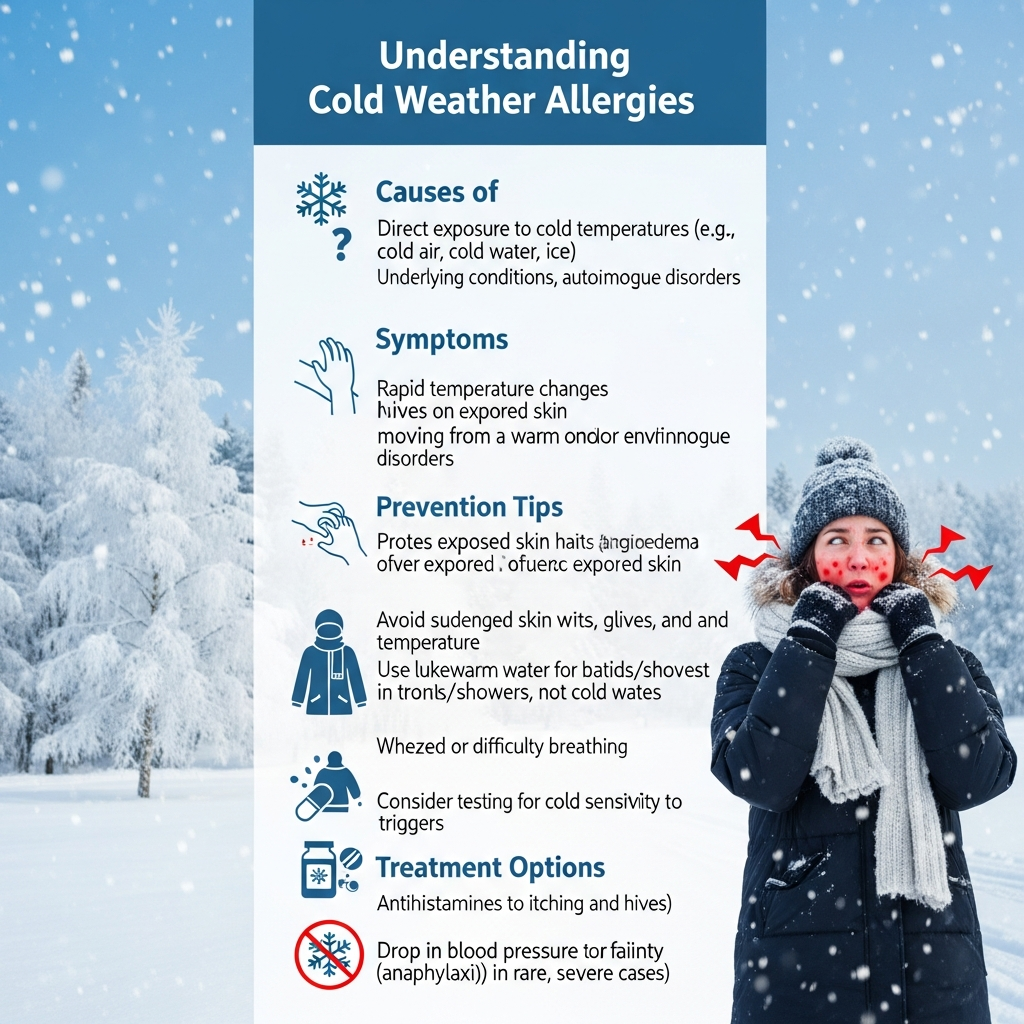
Cold urticaria or cold weather allergies are negative reactions of the skin to cold. Contrary to the usual allergies caused by pollen or dust, allergies are developed based on the reaction to cold air, water, or objects. This condition can vary from mild irritation to severe allergic reactions, including hives, swelling, and in rare cases, anaphylaxis.
Symptoms are felt by people shortly after their skin is exposed to cold stimuli. Such reactions may occur outside in winter or cold indoor or even after swimming in cold water. Knowledge of allergies is useful in identifying the early warning signs and preventing them.
Causes of Weather and Allergies
The precise method of allergies has not been clearly clarified but it is the maladjusted reaction of the immune system in regard to cold temperatures. Exposure to cold causes the release of histamines and other chemicals in the skin. These compounds are inflammatory and allergic.
Some of these may predispose one to Weather and Allergies:
Genetics: The family history may be utilized.
Previous infections: The condition may be a result of some viral or bacterial infections.
Underlying health issues: Autoimmune problems could be contributory.
Environmental exposure: Exposure to cold environments about often.
Cold weather allergies differ from other cold-related conditions like chilblains or frostbite, as they specifically involve an allergic immune response.
Common Symptoms of Weather and Allergies
It is necessary to be aware of the signs of cold weather allergies in order to respond in time. The symptoms manifest possibly shortly after exposure to cold and they may include:
Red, itchy hives or welts on the skin
Pitting of hands and feet, lips, or face.
Pain during burning or stinging in cold exposed parts.
Rash that worsens with ongoing cold exposure
In extreme cases, loss of consciousness, breathing difficulties or fainting.
The symptoms tend to take up after the skin warms up. But, the constant exposure may aggravate the situation. In case of the worsening of symptoms or the inability to breathe freely, call emergency medical care.
Diagnosis of Weather and Allergies.
Diagnosis of allergies in cold weather includes the use of medical history and physical examinations. A cold stimulation test is a test that doctors frequently administer, and in it they apply a small skin portion to cold and monitor the response. In case of positive results, raised, reddish tapes or hives are expected.
Blood tests can also test the underlying causes or eliminate other conditions. Proper diagnosis is very important to manage and prevent complications.
Prevention of Weather and Allergies.
Treatment of allergies is mainly concerned with prevention. Proactive measures decrease the exposure to triggers and minimise the symptoms.
The following are some of the tips that can be put into practice:
Keep yourself warm: Put on insulated clothes in the form of gloves, hats, scarves, and multiple clothes.
Gradual increase: When going out of the cold outdoors and to the warm in doors take warm gradually.
Protect skin: Use barrier creams or moisturisers before going outside.
Stay dry: Moist skin is more susceptible; keep skin dry and change wet clothes promptly.
Limit cold water contact: Avoid swimming in cold water or taking very cold showers.
Keep emergency medication handy: Antihistamines or prescribed medicines can control reactions.
These are very simple measures that enable several individuals to cope with allergies.
Treatment Options for Allergies
Allergies may be difficult but they are treatable to manage the symptoms. Doctors may recommend:
Antihistamines: They are drugs that decrease swelling and itching.
Auto injectors of Epinephrine: In severe allergies.
Avoidance methods: As much as possible, exposure to cold should be avoided as much as possible.
Desensitisation: There are instances of slow exposure to cold with the guidance of a physician.
There is no cure and depending on proper care; the symptoms may be minimal so that people can have the cold season without problems.
Living with Weather and Allergies
An allergic person has to live with lifestyle changes and be on the lookout. The following are some of the tips:
Check the weather predictions to get ready to cold days.
Keep family and friends informed about you.
Carry identification indicating your allergy.
Visit the doctor consistently to revise medication.
Education and community support is also important in enhancing the quality life of the affected persons.
Weather and Allergies and Children
One may have allergies typical of children and teens. After exposure to cold, parents are to look at such signs like skin rashes or unexplainable swelling. It is essential to prevent and diagnose a condition in early stages to avert serious reactions and complications. Educating children with their condition would enable them to become responsible towards their safety.
When to See a Doctor
In case you have a continuous or severe response to cold, seek medical attention. The symptoms that require immediate medical care include difficulty breathing, throat swelling and fainting. Allergies lead to serious health risks which can be prevented by early diagnosis and treatment.
Conclusion
Cold weather hypersensitivity is a common condition among individuals that is under detected. To manage this condition, it is important to understand the causes, symptoms, prevention and treatment alternatives. Allergic people can also experience a normal and active life even in the coldest months with the help of appropriate knowledge and precautions. Stay ready, wear protective clothing, and consult a doctor when allergies get serious in order to manage them.
Frequently Asked Questions (FAQs)
Q1 Shall allergies come unexpectedly when a person is already an adult?
Youths Yes, cold weather allergies may develop at any age, even in the adulthood. There might be individuals who will not have any symptoms before and will suddenly develop allergies to cold.
Q2: Do you experience cold weather allergies, which are life-threatening?
Even though the majority of reactions are mild, there are severe ones that may result in anaphylaxis, which leads to mortality. We should address such cases with immediate medical treatment.
Q3: Do allergies impact on other body parts other than the skin?
The skin is mostly affected by cold weather allergies. Nevertheless, the strong responses may affect the blood pressure and breathing and lead to the emergency.
Q4: Do you think it is safe to exercise outside in cold weather given that I am allergic?
Exercise is not inherently bad provided that one takes the necessary precautions, including wearing warm clothes and not exposing oneself to sudden cold. Personal advice should be given by consulting your doctor.
Q5: Are allergies limiting itself?
Sometimes symptoms can go away, yet a number of individuals have prolonged allergies. This may also require continued management.