
Soluble Dietary Fiber Foods: The Complete Guide.
Find out the definitive resource of Soluble Dietary Fiber Foods. What they are, why they are important to your health, the reliable sources to incorporate into your meals, how to add them to your diet practically, and the issues that make them safe and effective, and good.
To have a healthier heart and easier digestion, pay attention to Soluble Dietary Fiber Foods. Such foods reduce the rate of digestion, manage blood sugar levels, reduce cholesterol, and nourish beneficial gut bacteria. Most people do not receive enough fiber in general and soluble fiber in particular, but the addition of the correct foods does make a significant difference.
This guide will have actual and scientifically supported facts on soluble dietary fiber. You will also learn how to apply this knowledge to make your meals more nutritious and enjoyable.
What is Soluble Dietary Fiber?
Definition and Characteristics.
Soluble fiber is a form of dietary fiber that dissolves in water and forms a gel-like material in the digestive tract.
In contrast, it acts contrary to unsolvable fiber, which primarily increases the size of the stool. Additionally, soluble fiber decreases digestion speed, enhances nutrient enteral intake, and sustains healthy blood sugar levels.
This is a water-soluble substance that is powerful. The gel-like fiber combines with cholesterol in the gut and can aid in getting it out of your system before it gets to your bloodstream. Health Fibers of Soluble Fiber.
Soluble fiber helps in a variety of ways:
For Heart Health: Soluble fiber attracts cholesterol and takes it out of the body, which can reduce LDL (bad) cholesterol.
Blood Sugar Control: It slows blood sugar digestion, thereby avoiding huge spikes in blood sugar, which is critical to individuals who manage their risk of diabetes.
Weight Control: You are satisfied with high-fiber foods and thus might lower the total calorie consumption.
Digestive Comfort: Soluble is capable of balancing bowel movements. It absorbs water, softening the stool and alleviating constipation or loose feces. The combination of these benefits contributes to overall wellness and helps reduce the risk of disease through the consistent consumption of soluble fibers in the form of the food you choose.
Ordinary Sources of Soluble Dietary Fiber
By making mindful choices, eating the correct foods would make it easy to achieve your fiber target. In fact, many fruits, vegetables, legumes, grains, nuts, and seeds naturally contain an abundance of soluble fiber.
Fruits are High in Soluble Fiber.
Several fruits have a lot of soluble fiber and are also delicious. Examples include Pectin is a form of soluble fiber that can be found in apples (particularly those with skin on).
Pears also provide fiber that supports the gut, as well as provide sweetness.
Citrus fruits and oranges have fiber and vitamin C
Antioxidants, such as berries, such as strawberries and blueberries, provide fiber.
Eat raw or add oatmeal, salads, or yogurt as a source of fiber.
Green vegetables are High in Soluble Fiber.
Sources of soluble fiber are versatile and nutrient-dense sources of vegetables. It is a healthy and nutritious vegetable that is a good starting dish. Carrots aid in digestion and the maintenance of blood sugar. Brussels sprouts provide soluble fiber and several micronutrients.
For easier eating and digestion, steam, roast, or place veggies in soups and stews to make them easier to eat and digest. Furthermore, legumes and pulses are some of the best sources of fiber in your diet. They are plant-protein rich, vitamin-rich, mineral-rich, and fiber-rich. Great choices include Black beans, kidney beans, pinto beans, and so on.
Lentils can be used in soups, curries, and salads. Chickpeas are used in hummus, salads, and stews. Legumes are beneficial to slow down digestion, support blood sugar, and keep you going. They also feed helpful intestinal bacteria.
Whole Grains 100 Containing Soluble Fiber.
Soluble fiber is very abundant in whole grains. However, no grain is created equal; in whole grains, the bran and the germ remain, and most of the fiber lives there. For example, oats have a highly researched soluble fiber called beta-glucan that helps keep the heart healthy. Another grain with soluble fiber meaning is barley.
For additional variety, choose gluten-free and nutritionally balanced options such as fiber- and full-protein gluten-free quinoa. For breakfast, you can begin your day with oatmeal. Alternatively, use barley or quinoa in your salads and sides to make them different and add fiber.
Nuts and Seeds: Three to Four Tablespoons Soluble Fiber. Some of the nuts and seeds have healthy fats as well as soluble fiber.
Flaxseeds can be added to a smoothie, yogurt, or baked goods.
For a unique benefit, chia seeds create a gel in water, which slows down the digestive process. Additionally, crunchy and fiber-rich snacks and salads are enriched with sunflower seeds. For extra fiber, add them to cereal or mix with oatmeal to easily increase your fiber intake.
Soluble Fiber Foods: How to Incorporate into Your Diet.
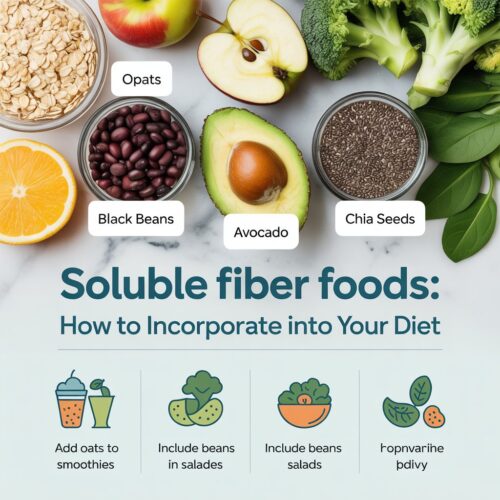
It is not difficult to eat more soluble fiber when you do it on purpose by making simple replacements. Tips for Meal Planning. The following are some useful methods of boosting soluble fiber intake: Eat the peel on the fruit, such as apples and pears. They have fiber. Begin breakfast with cereal, oats, or barley. Beans are reliable sources of fiber and protein to add to soups, salads, and chilis. Combine baked products or smoothies. Substitute refined grains with whole grains such as quinoa or whole barley. Fiber-planned meals make sure that one has a diverse range of nutrients and a fulfilling diet.
Simple Recipes with Soluble Fiber Foods.
Some easy ideas which can be tried are these:
Overnight Berry and Chia Oats. Combine oats, chia, and berries of your choice with milk or milk substitute. Chill in the refrigerator to make breakfast low in fat. Another healthy meal was simmering lentils, carrots, onions, and broth.
Quinoa Salad: Combine cooked quinoa with beans, chopped vegetables that are chopped and coated with lemon dressing. Brussels Sprouts and Roasted Sweet Potatoes. Roast and season, and bake until tender to have a fiber-rich side dish. These meals will help you meet the targets of soluble fiber every day without worrying.
Possible Conversations and Side Effects.
Soluble fiber is not harmful to most of the population; however, the increase in its consumption should be done wisely. Recommended Daily Intake According to the health professionals, adults should have 25-38 grams of total dietary fiber every single day, about age and gender.
Ideally, a sizable part of that amount should be in soluble fiber. In fact, it is possible to reduce LDL cholesterol by consuming 5-10 grams of soluble fiber each day. Potential Digestive Side Effects and What to Do about Them.
With an increase in the soluble fiber intake rapidly, you may find: Gas, Bloating, and Cramping.
These are common first. To avoid them:
To begin, increase fiber gradually. At the same time, consume a high amount of water that has soluble fiber. Additionally, increase the consumption of fiber throughout the day. As a result, this will allow the digestive system to acclimate itself.
Moreover, there is a possibility of interference of fiber being absorbed by extremely high fiber intake, so it is best to have a balance. Conclusion: Summary of Advantages and Sources. Soluble Dietary Fiber Foods are potent in terms of your heart, digestion, and blood sugar.
They consist of apples, berries, carrots, and broccoli, beans and lentils, whole grains such as oats and barley, seeds, and nuts rich in fiber. The inclusion of these foods into the daily diet enhances health and makes meals a delight and satisfying.
Distinctive consumption of soluble fiber aids:
As a result, you may experience lower cholesterol, better blood sugar control, and enhanced digestion. Furthermore, you can benefit from enhanced weight management. For optimal health, it is always good to have a variety of such foods. In addition, do not forget to add them to your diet at a slow pace to be comfortable and achieve the best results.
Conclusion
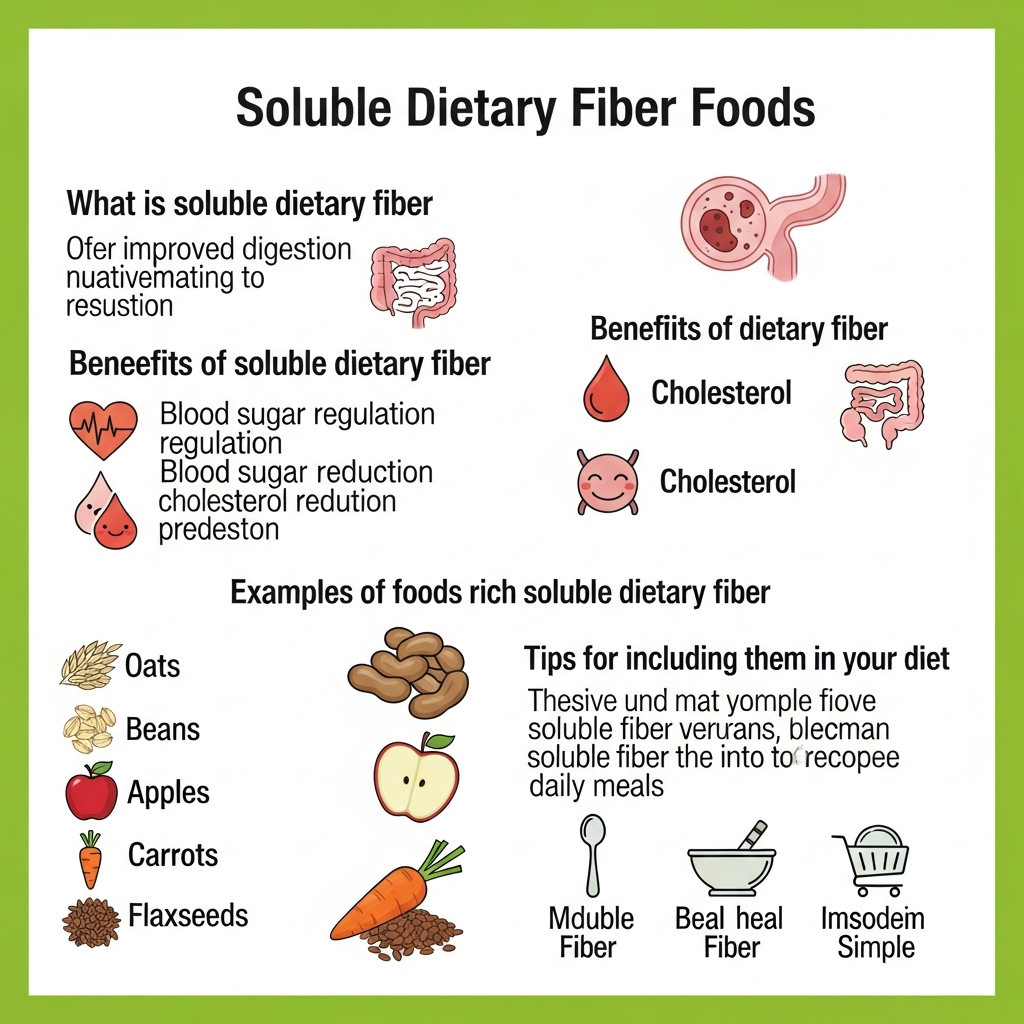
In conclusion, soluble dietary fiber is critical for maintaining overall health because it enhances digestion, regulates blood sugar, and lowers cholesterol. Including a variety of foods high in soluble fiber in your diet, such as fruits, vegetables, legumes, and whole grains, can help you achieve these important benefits. By gradually increasing your intake while staying hydrated, you can benefit from soluble fiber without feeling uncomfortable. These nutrient-dense foods are part of a balanced diet that supports long-term health and disease prevention.
FAQs
Q. What is soluble dietary fiber?
A. The process of soluble fiber, which is achieved by dissolving dietary fiber in water to form a gel-like substance, is beneficial for improving the absorption of nutrients and reducing the speed of digestion.
Q, Which foods are commonly a source of high levels of soluble fiber in the diet?
A, Oats, barley, beans, lentils, and apples, citrus fruits, carrots & psyllium husk are the usual sources.
Q. In what ways can soluble fiber improve one’s health?
A. Lowering cholesterol, regulating blood sugar, and improving heart health are all benefits of this.
Q. Why is there a risk associated with consuming too much soluble fiber?
A. Overindulging can lead to bloating, gas, or diarrhea. Increase your fiber intake and drink a lot of water.
Q, How much soluble fiber can I get in a day?
A. Adults generally need to consume 5 to 10 grams of soluble fiber daily, with a total fiber intake of 25 to 30 grams, although the recommendations differ. However,
Q. Can soluble fiber supplements match the quality of food’s fiber? If yes, how?
A. While supplements can provide some nutrients, consuming whole foods full of fiber also provides other important nutrients and health benefits.
Q. What is the role of soluble fiber in weight management?
A. It can help control hunger and aid weight loss by promoting a feeling of fullness.