
How Long Does Acid Reflux Last: Duration, Causes & Fast Relief Guide
Do you want to know how long does acid reflux last. Learn how long occurrences generally last, what can set them off, and some useful tips for easing heartburn and stopping it from returning.
A lot of individuals want to know how long acid influx lasts, especially after a night of burning pain. Knowing what causes it, how long it lasts, and what makes it worse will help you deal with the symptoms and decide when to communicate with a doctor.
What Is Acid Reflux?
Acid reflux happens when stomach acid moves back up into the esophagus, the tube that carries food from your mouth to your stomach. This can irritate the lining and cause a burning pain called heartburn. Gastroesophageal reflux disease (GERD) is a serious, long-lasting form of acid reflux. Symptoms happen often or cause problems. Knowing how long acid reflux lasts helps you tell if your heartburn is a one-time event. It can also show if you might have GERD and need a doctor’s attention. Understanding acid reflux and its duration helps you choose the right treatment. It also tells you when to seek medical advice.
How Long Does Acid Reflux Last?
An episode of acid reflux or heartburn can last from a few minutes to several hours, with symptoms often intensifying two to four hours after eating. Mild symptoms generally resolve rapidly, whereas severe cases may persist and interfere with sleep or concentration. The duration of symptoms varies among individuals. In the absence of treatment or if triggers persist, acid reflux may continue for extended periods, including days, weeks, or months. Differentiating between an isolated episode and a chronic condition is essential.
Occasional vs Chronic Acid Reflux
It often occurs after consuming spicy or heavy foods and usually goes away within a few hours or the next day. Making changes to diet or using over-the-counter medication helps to deal with occasional cases. Chronic acid reflux is also called gastroesophageal reflux disease (GERD). It happens when a person has burning in the chest or throat, or chest discomfort from regurgitation, more than once a week. Untreated GERD can cause other health problems. These include esophagitis, esophageal strictures, and Barrett’s esophagus. Each of these raises the risk of esophageal cancer.
Factors That Affect on Acid Reflux
Several factors can affect how long your acid reflux lasts. Large meals put extra strain on your stomach and may cause symptoms to linger. Eating right before bed can prolong symptoms. Eating late at night or napping after meals has a similar effect. In these situations, stomach acids flow more freely. Certain foods can also lengthen symptoms. These include fatty, fried, or spicy foods, onions, tomatoes, citrus fruits, chocolate, caffeine, alcohol, and mint. These foods affect your esophagus or sphincter muscles. Lifestyle factors like obesity, smoking, pregnancy, and hiatal hernias can make symptoms last longer. Some medications for pain or high blood pressure can have the same effect.
Can Acid Reflux Last After Eating
The question for most people will be the duration of acid reflux following meals. In most cases, the symptoms begin immediately following the meal, usually a large or fatty meal. They peak after the initial hours of eating, when the body is most active. When you consider lying down, leaning over, or wearing tight clothing, heartburn symptoms after meals will not only feel worse, but they will also linger longer. The nature of the meal itself affects the duration. Foods that are very fatty, fried, or too much of will take longer to empty the stomach and will thus prolong the symptoms.
Acid Reflux Can Last Without Treatment
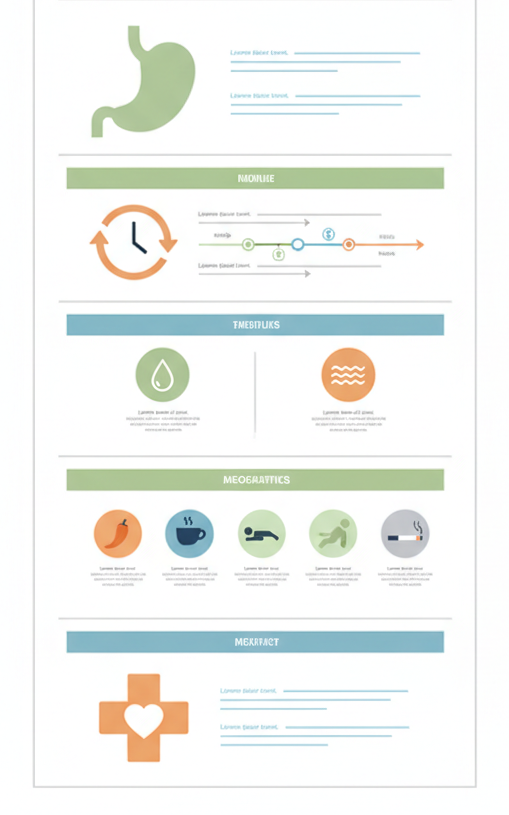
Untreated it will not magically go away for all people. In some individuals, chronic complications from reflux may occur for a period of weeks or even months. In GERD, for example, chronic exposure may take place for a span of years if there is no correct treatment. Attacks can appear periodically in a day, yet a condition will still be present. It will make a natural lifestyle, like eating favorite foods, problematic if acid reflux is not addressed. It will also increase risks for developing new complications, for instance, esophagitis, stricture, bleeding, or Barrett’s Esophagus, depending on how long symptoms occur.
When is it Considered GERD?
Knowing when heartburn is just that, heartburn, or GERD is useful. Typically, physicians diagnose GERD when patients experience reflux symptoms twice a week, have recurring symptoms, or develop complications such as swallowing issues or bleeding. Symptoms of GERD include heartburn, an awareness of sour taste in the back of the throat, the return of undigested food or acid, persistent cough, hoarseness, or chest pain. These may be experienced daily in people suffering from GERD. If you have discovered that the length of time acid reflux is experienced in your life is measured in months, not days, then GERD is likely.
How much Acid Reflux take time to Heal?
Many people want to know how long it takes to heal from acid reflux after starting changes. Lifestyle changes and medication often bring relief from mild to moderate acid reflux or GERD within a few weeks. Most treatments last about 6 to 12 weeks, which helps patients overcome symptoms and heal the esophagus. Some people need more time to recover. Healing may take longer for those with severe reflux, symptoms lasting several years, or complicated cases.
How can get relief faster
If you are having an episode, you likely want quick relief. You can use antacids to neutralize stomach acid. Alginate preparations form a barrier to protect the esophagus. H2 blockers or proton pump inhibitors (PPIs) reduce acid production. Always follow your doctor’s recommendations when using these medicines. These medications can aid in ending the episode faster while also reducing the associated pain.
Non-pharmacologic measures can also be employed right away. This includes maintaining an upright position for at least two to three hours after eating, with the head of the bed elevated to prevent reflux at night. Avoid wearing clothes that are too tight around the abdominal area. Avoid Foods that trigger an episode, as well as eating late in the evening, if an episode of acid reflux is flaring.
Lifestyle Changes
Lifestyle modifications are essential to manage this condition on a long-term basis. Healthy food habits for managing acid reflux involve low-fat diets, smaller amounts of food consumed at a time, and other foods that you might have started to avoid. Cutting down on alcohol and caffeine can also help alleviate this condition to some extent. Try to figure out which foods cause you to suffer from this condition. Good lifestyle modifications involve reducing or altogether stopping smoking to ensure proper functioning of the valve connecting your stomach to your food pipe. Regular exercise will help you remain healthy and aid your digestive process. Exercising or working out after meals is not advisable. Having your meals earlier in the day and leaving enough time before sleeping is essential.
When to See a Doctor
You shouldn’t ignore the returning symptoms of heartburn. If symptoms appear more than twice a week, persist for several weeks, or do not improve with over-the-counter medication, visit your doctor. The symptoms indicate that you might have persistent symptoms of acid reflux and GERD. In some cases, you need immediate attention for certain symptoms. Dial 911 or visit an emergency room if chest pain is accompanied by breathing difficulty, sweating, feeling dizzy, or experiencing pain in the arm, jaw, or neck. The symptoms might resemble those of a heart attack. Visit an emergency room or contact 911 if you have problems swallowing, a sensation that food is stuck, vomiting, unintentional weight loss, black and bloody stools, or vomiting blood. The symptoms might indicate that you have serious heartburn complications and other ailments.
FAQs
Many people have the same acid reflux questions.
“Can acid reflux last all day?” Yes, in certain cases, symptoms may appear to be constant, especially in GERD, though they might have fluctuations in intensity throughout the day. If this frequently occurs, it is important to undertake a medical review.
“Does acid reflux last for weeks?” Yes, the condition may persist for weeks or even longer as long as triggers and underlying causes are not dealt with. An individual episode may disappear and reappear; the pattern endures.
“Does acid reflux last longer because of anxiety?” Anxiety and stress increase pain sensitivity, alter digestion, and raise muscular tension that can make heartburn feel stronger or seem to last longer. Management of stress can reduce the intensity of symptoms.
“Does acid reflux come and go all day?” Yes, symptoms can flare after meals, with certain activities, or when lying down, and ease at other times. This on-and-off pattern is common in both occasional reflux and GERD.
With all these questions, the important thing to remember is that your time with acid reflux will depend on your triggers, lifestyle, and health, along with your quickness in dealing with it.
Conclusion
“How long does acid reflux last?” The duration can certainly vary from person to person. A single episode can last a few hours, but the condition can progress for months or even years if it goes untreated. Acid reflux can be controlled by making the right lifestyle modifications, avoiding triggers, and seeking proper medical attention.
Following are the sources of the article, you can visit for more informatin
- https://guides.lib.wayne.edu/c.php?g=1470324&p=10943252
- https://www.singlegrain.com/artificial-intelligence/ai-content-fact-checking-for-credible-accurate-articles/
- https://www.mayoclinic.org/diseases-conditions/gerd/symptoms-causes/syc-20361940
- https://www.nhs.uk/conditions/heartburn-and-acid-reflux/
- https://www.niddk.nih.gov/health-information/digestive-diseases/acid-reflux-ger-gerd-adults